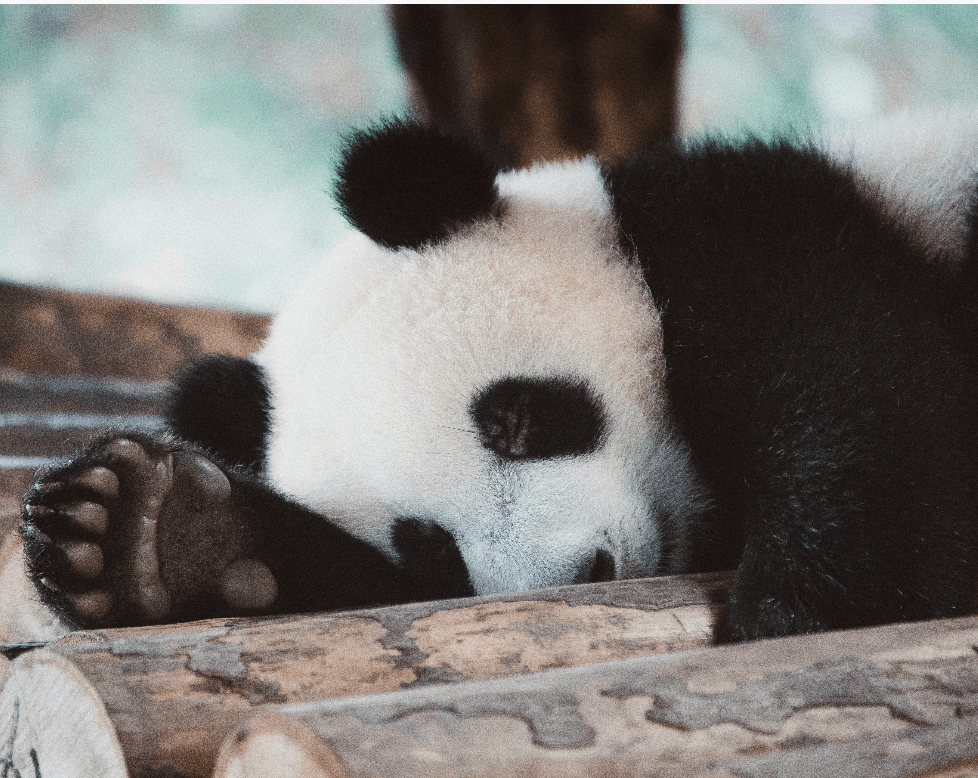
Onderzoekers van Deakin University (Australië) en Oxford University (VK) toonden groepen proefpersonen foto’s van verschillende dieren. De beelden waren in verschillende mate bewerkt. Deelnemers moesten een hypothetisch geldbedrag verdelen over de dieren. Wat bleek? Dieren wier foto overduidelijk was gephotoshopped zodat ze er schattiger uitzagen (aaibaarder, grote ogen, geen scherpe tanden) brachten duidelijk het meeste geld in het laatje. Tenminste, bij de groep deelnemers die uit het algemene publiek was geworven. Een groep natuurbeschermers die ook meedeed aan de studie had juist een afkeer van de verschattigde foto’s en koos voor de onbewerkte beelden.
Minder giften via smartphone
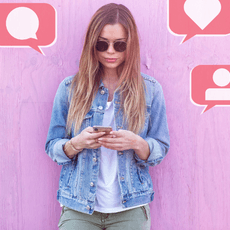
Mensen die geld doneren via hun smartphone zijn minder vrijgevig dan mensen die een goed doel steunen op een computer. Dat blijkt uit een studie van de University of Connecticut (VS). Wie met zijn telefoontje bezig is, is meer op zichzelf gericht. Dat gaat minder goed samen met de empathie en het altruïsme dat komt kijken bij het doneren van geld.
In een eerste studie vroegen de onderzoekers 232 proefpersonen om een enquête in te vullen. Het kleine geldbedrag dat ze ermee verdienden mochten ze óf doneren aan het Rode Kruis óf zelf houden. Wat bleek? Van de deelnemers die de enquête op
Frank Aalderinks, hoofd Filantropie Advies bij ABN Amro MeesPierson, werd eind november uitgeroepen als nummer 1 dienstverlening (Finance & Governance, Tax & Legal). Lees het interview en ook de Laudatio, uitgesproken door de juryvoorzitter.
Theo Schuyt, hoogleraar Filantropische Studies aan de VU Amsterdam, ontving eind november de Oeuvre Award 2023. Lees interview en ook de Laudatio, uitgesproken door de juryvoorzitter.

 nl
nl